Why Fall and Winter May Be the Best Time to Improve Your Trees and Shrubs
Many homeowners think pruning only happens during the growing season.
In reality, some of the most beneficial pruning takes place when trees and shrubs are dormant.
Dormant pruning is one of the most effective ways to improve the health, appearance, structure, and long-term performance of many landscape plants.
As leaves begin to fall and plants enter dormancy, it becomes much easier to evaluate their structure and make thoughtful pruning decisions that benefit the landscape for years to come.
At Turner Design Group, dormant pruning is one of the services we often recommend during the fall and winter months because it can improve plant health while preparing landscapes for the next growing season.
What Is Dormant Pruning?
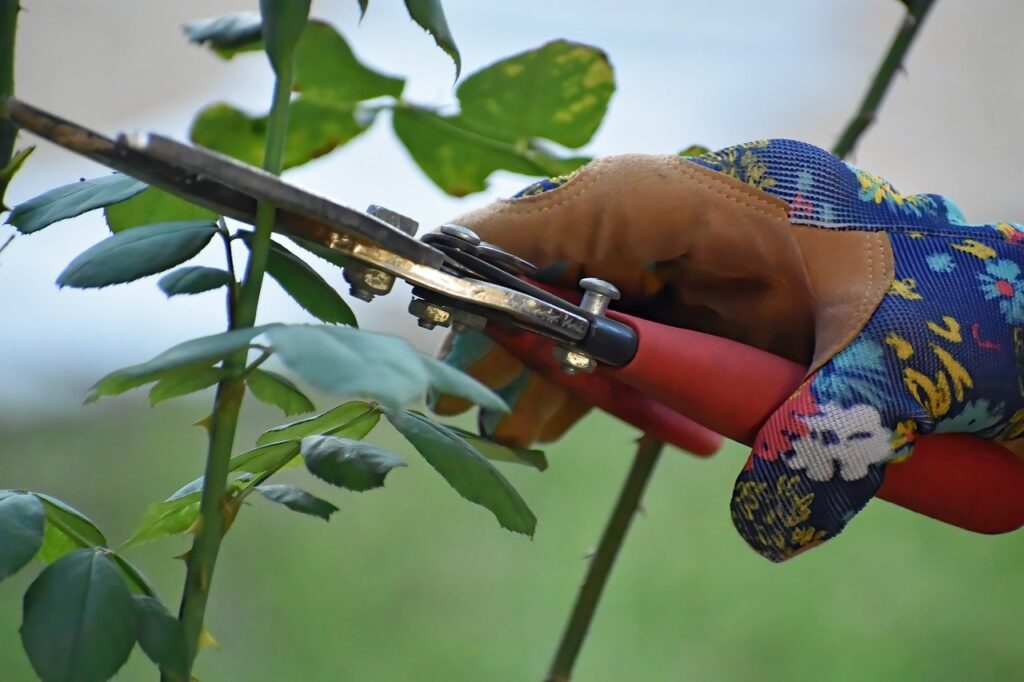
Dormant pruning refers to pruning performed after plants have entered dormancy and before new growth begins in spring.
During dormancy:
• growth slows dramatically
• leaves have dropped from deciduous plants
• plant structure becomes easier to see
• stress from pruning is reduced
Because plants are not actively growing, they are often better able to tolerate pruning during this period.
Why Dormant Pruning Is Beneficial
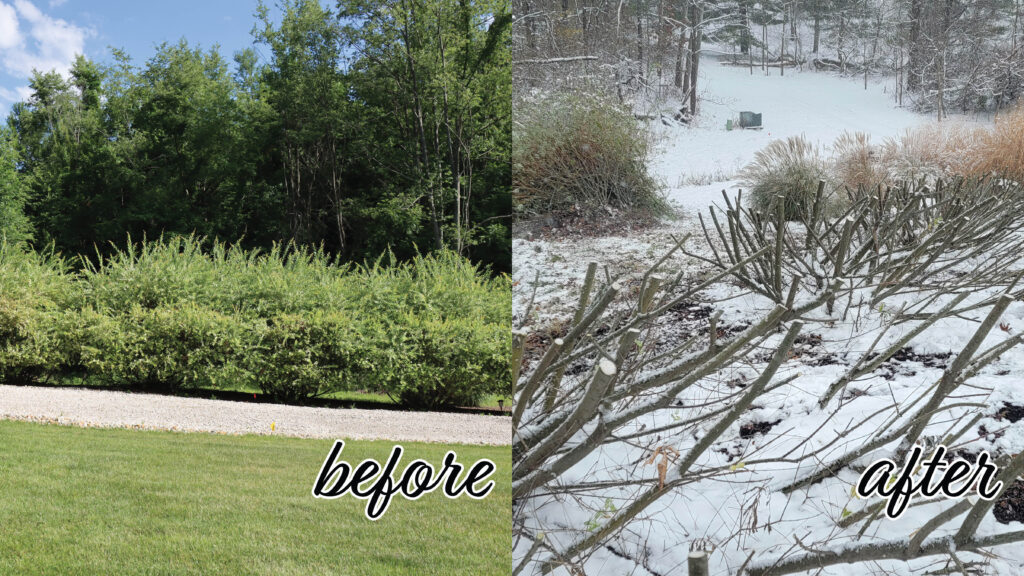
One of the biggest advantages of dormant pruning is visibility.
Without leaves obstructing the view, it becomes much easier to identify:
• crossing branches
• damaged limbs
• weak structure
• overcrowding
• safety concerns
Dormant pruning also helps encourage healthier growth patterns and improved structure as plants begin growing again in spring.
What Can Be Dormant Pruned?
Many trees and shrubs benefit from dormant pruning.
Common examples include:
Ornamental Trees
- Crabapple
- Serviceberry
- Redbud
- Japanese Maple
Shrubs
- Spirea
- Dogwood Shrubs
- Dwarf Burning Bush
- Dappled Willow
- Rose Shrubs
- Select Hydrangea Shrubs
Each species responds differently, which is why proper plant identification is important before pruning begins.
Improving Safety and Structure
Over time, trees and shrubs can develop structural issues that become more obvious during dormancy.
Examples include:
- rubbing branches
- weak branch unions
- storm-damaged limbs
- limbs growing toward structures
- visibility concerns near driveways and walkways
Addressing these issues proactively can reduce future maintenance needs and improve safety.
Better Plant Health
Proper pruning can improve:
- airflow
- sunlight penetration
- disease prevention
- growth habit
- overall plant vigor
Removing dead, damaged, or poorly positioned growth allows plants to direct energy toward healthier development.
Dormant Pruning Is Not Topping
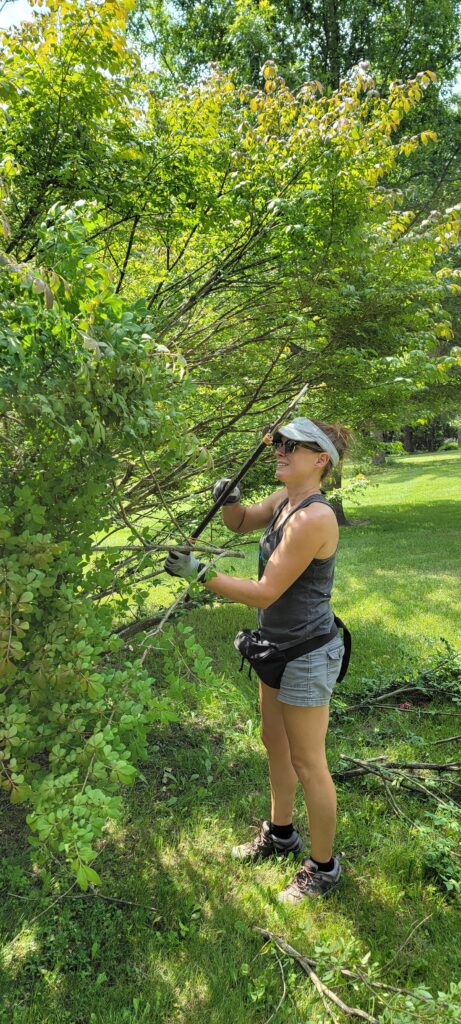
One common misconception is that dormant pruning means aggressively cutting plants back.
Proper pruning focuses on selective removal and structural improvement—not excessive cutting.
The goal is to improve the plant, not simply make it smaller.
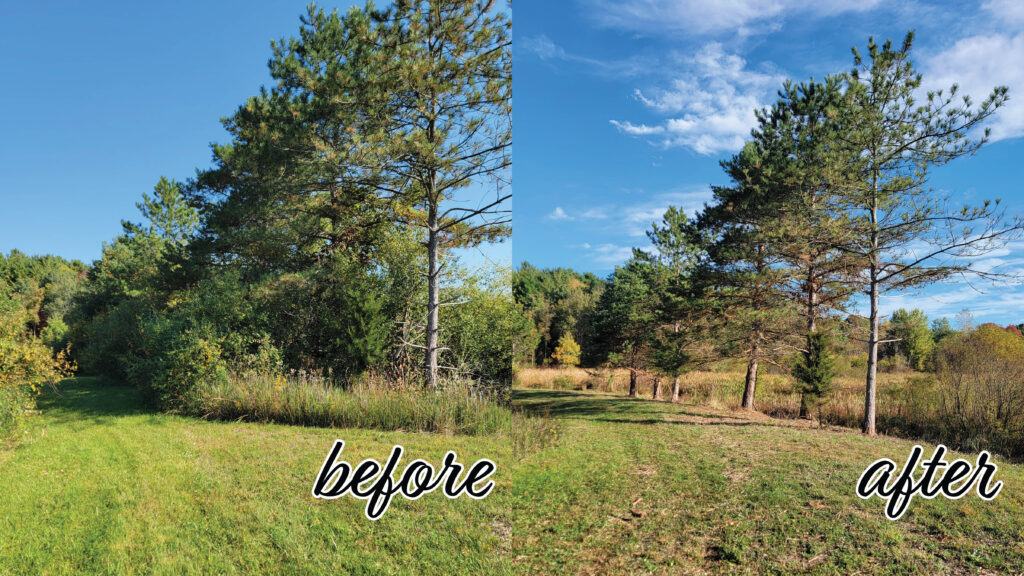
Land Clearing: Another Popular Fall Service
Fall is also one of the most popular times for land clearing projects.
Homeowners often use this season to:
- remove invasive brush
- clear future building sites
- improve property access
- expand usable outdoor space
- prepare for future landscape projects
Without dense summer foliage, it often becomes easier to evaluate and improve wooded areas and overgrown sections of the property.
Planning Ahead for Spring
One of the biggest benefits of fall and winter landscape work is being ready when spring arrives.
Many homeowners wait until spring to address pruning or property cleanup, only to find themselves competing with seasonal demand.
Planning ahead allows properties to enter the growing season healthier, safer, and more attractive.
Ready to Improve Your Property?
If you’d like to discuss dormant pruning, land clearing, or preparing your property for next season, we’d be happy to walk your property and discuss your options.
At Turner Design Group, we help homeowners throughout Howell, Brighton, Fenton, and surrounding communities improve and maintain beautiful outdoor spaces year-round.
📞 800-570-0675